Blog ·
The Phases of a Home Remodel: What to Expect
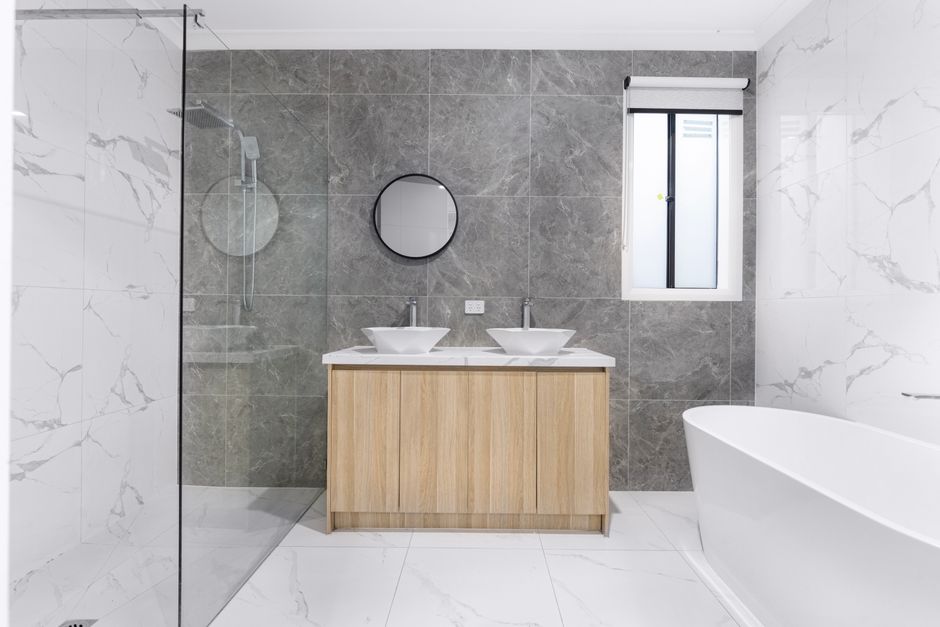
Understanding the typical phases of a home remodel helps you know what to expect and when. Each phase serves a specific purpose in transforming your space from concept to completion.
Phase One: Demolition and Preparation
Your remodel begins with removing existing fixtures, finishes, and sometimes walls or structural elements. This phase is dusty and loud. Your contractor will protect your home with plastic sheeting and establish proper ventilation. Electrical and plumbing systems are often exposed during this phase so they can be evaluated and upgraded if necessary. Hazardous materials like asbestos or lead paint must be handled by certified professionals—this adds time but protects your family's health.
Phase Two: Rough Work
Once demolition is complete, the rough work begins. This includes installing new framing, running electrical wiring and plumbing lines, and addressing any structural issues discovered. HVAC systems may be modified or replaced. This phase involves multiple inspections by the building department. Work often feels invisible to the untrained eye, but this is where your home's bones are rebuilt. Cutting corners here causes problems for years to come.
Phase Three: Systems Installation and Inspection
Your contractor verifies all electrical, plumbing, and HVAC work meets code requirements. Drywall installation begins covering the rough work. Windows and exterior doors are installed if they're part of your project. Final inspections from the building department occur to approve the work before it's covered.
Phase Four: Finishing Surfaces
Now visible progress accelerates. Drywall is taped, mudded, and sanded smooth. Flooring is installed. Tile, stone, or other surface materials go down. Paint covers walls. Cabinetry is installed. This phase transforms your space and is when most people really see their vision coming to life. Quality craftsmanship here makes all the difference in how finished your remodel looks.
Phase Five: Final Fixtures and Details
Light fixtures, hardware, faucets, and other finishing touches are installed. Doors are hung and adjusted. Trim work is completed. Walls are touched up and finalized. Your contractor performs a final walkthrough with you to identify any punch-list items that need attention.
Phase Six: Final Inspection and Completion
The building department performs a final inspection to confirm everything meets code. Your contractor completes any remaining punch-list items. You do a final walkthrough together before you take over your new space.
Each phase is necessary and builds on the previous one. Rushing phases leads to poor results. A properly paced remodel takes the time needed to do quality work at each stage.