Blog ·
What to Plan Before Your Home Remodel Begins
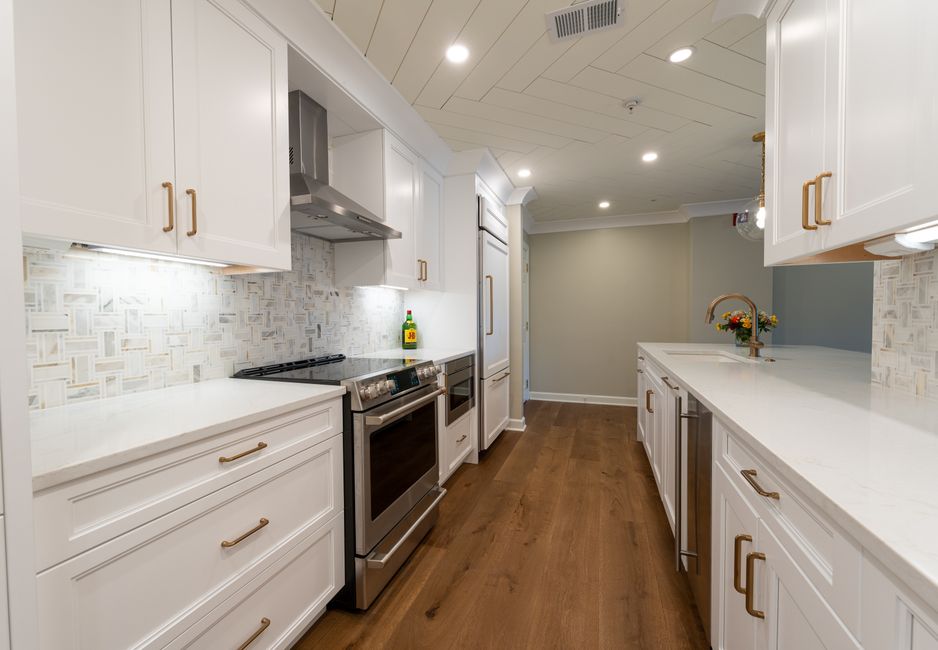
A successful home remodel starts long before the first nail is hammered. Taking time to plan thoroughly will save you stress, delays, and complications down the line. Here's what you need to consider before your project begins.
Define Your Project Scope
Start by identifying exactly which areas of your home need work. Are you remodeling your kitchen, bathroom, or multiple spaces? Be specific about what you want to change. Do you need new plumbing, electrical work, structural changes, or mostly cosmetic updates? The more clearly you define your scope, the more accurate your timeline and planning will be.
Assess Your Home's Current Condition
Before any aesthetic changes, your contractor needs to evaluate what's behind your walls. Older homes often have surprises—outdated wiring, plumbing issues, or structural concerns that need attention. A thorough inspection helps identify these problems early, so they can be incorporated into your plan rather than discovered mid-project.
Consider Your Daily Life During Construction
If you're remodeling a kitchen or bathroom, think about how your household will function while work is happening. Will you need to arrange temporary accommodations? Can you live with limited access to certain spaces? Understanding these logistics helps you mentally prepare and plan accordingly.
Research and Gather Inspiration
Collect images and ideas for the style you want. Look at magazines, websites, and homes similar to yours. Think about functionality first—how will you actually use this space? A beautiful kitchen design means nothing if it doesn't work for how your family cooks and gathers.
Plan for Permits and Regulations
Most remodels require permits from your local building department. These exist to ensure work meets safety codes. Your contractor should handle the permit process, but you should understand that inspections will occur at various stages. This isn't a delay—it's protection for you and your home's value.
Establish Clear Communication
Decide how you'll communicate with your contractor during the project. Will there be daily check-ins, weekly meetings, or updates as needed? Clear communication prevents misunderstandings and keeps everyone aligned on expectations.
Create a Realistic Timeline
Work with your contractor to establish a reasonable timeline. Remodels rarely finish exactly on schedule—weather, material delays, and unexpected issues happen. Build in buffer time and understand that quality work takes time.
Prepare Your Budget
Beyond the initial quote, set aside contingency funds for unexpected issues. A typical remodel should have 10 to 20 percent extra allocated for surprises. This prevents financial stress if problems arise during construction.
Taking these planning steps seriously transforms your remodel from a stressful event into a manageable project. You'll move into your finished space knowing every decision was thoughtful and intentional.